
Ghaziabad Has 150 Unsafe Buildings but Redevelopment Is Still Moving Slowly
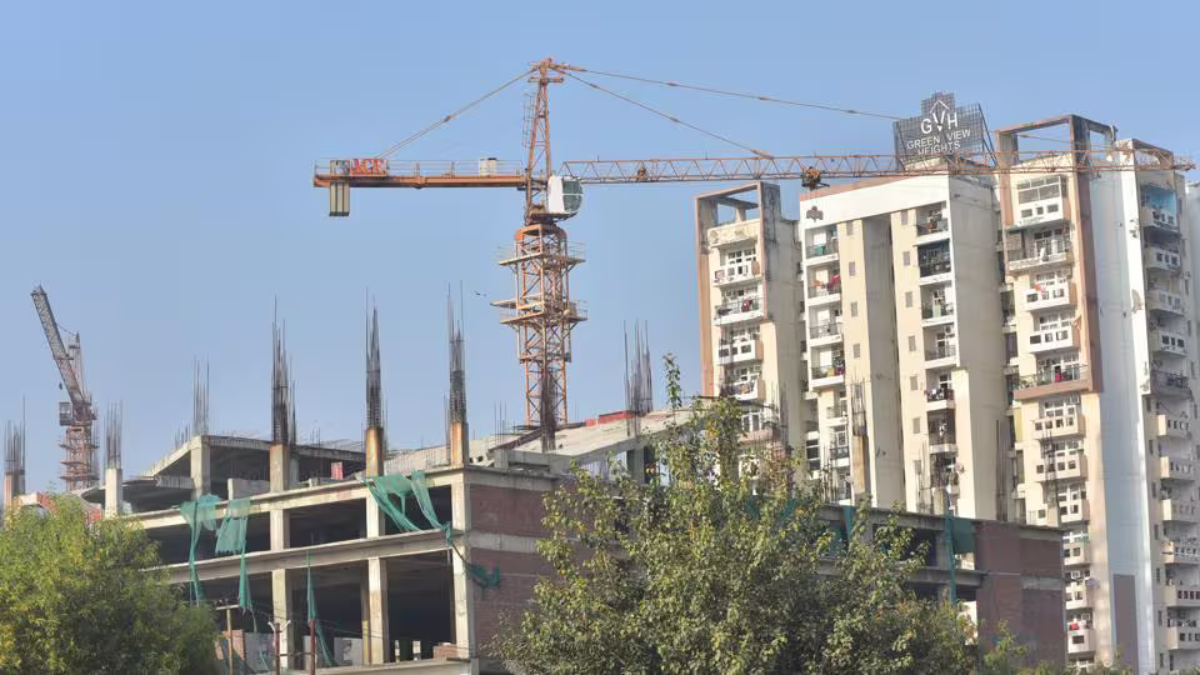
Ghaziabad, Uttar Pradesh | September 8, 2026: More than 150 buildings in Ghaziabad have been classified as unsafe or dangerous, but redevelopment of many of these properties remains slow despite Uttar Pradesh introducing the Urban Redevelopment Policy 2026. For homeowners living in ageing societies, the issue is no longer just about old buildings — it is about property safety, future value and whether redevelopment can actually happen before a serious accident.
Unsafe Buildings Have Increased Sharply in Ghaziabad
The number of buildings classified as unsafe has risen from 26 in 2018 to 102 in 2020 and more than 150 now. The situation has gained renewed attention after the fatal building collapse in Delhi's Satya Niketan.
For property owners, this increase is significant because ageing buildings that remain without major repairs can gradually lose both habitability and market value.
Tulsi Niketan Shows the Cost of Delayed Redevelopment
Tulsi Niketan remains one of Ghaziabad's most prominent examples. The GDA-developed township was built around three decades ago, and several structures have deteriorated after years of inadequate maintenance.
The complex includes 220 LIG flats, 2,004 EWS flats and 60 shops, with more than 500 people still living there. Residents have raised concerns over years of delayed repair and redevelopment.
For these homeowners, redevelopment is not simply a way to obtain newer homes. It could determine whether their existing property can remain safe, usable and financially valuable in the future.
New Redevelopment Policy Offers Developers an Opportunity
The Urban Redevelopment Policy 2026 allows private and government housing schemes that are at least 25 years old to qualify for redevelopment after a structural audit, provided the land parcel is at least 1,500 square metres.
The policy could therefore open opportunities for developers to enter ageing housing societies where conventional redevelopment has remained financially difficult.
Government agencies can undertake projects, while public-private partnership models may also be used where required.
Developers Get Financial Incentives for Redevelopment
The policy offers significant incentives to make such projects commercially viable.
Eligible projects can receive:
- 50% rebate on development charges
- 25% rebate on land conversion charges
- One additional FAR above the base FAR without charge
- Up to five years to complete construction in special circumstances
For developers, these incentives can improve project feasibility by reducing some of the regulatory and development costs associated with rebuilding old properties.
Homeowners Could Get Transit Housing During Redevelopment
One of the most important provisions for residents is rehabilitation during construction.
Once redevelopment formalities are completed, residents may have to vacate the property, but the executing agency is required to arrange transit accommodation, including rent support until residents are rehabilitated in their redeveloped flats. Construction is expected to begin within 12 months after the required formalities are completed.
This could remove one of the biggest obstacles to redevelopment — the question of where existing families will live while their homes are being rebuilt.
Two Thirds Resident Consent Is Required
For redevelopment through a private developer, the Apartment Owners Association can proceed only after obtaining consent from two-thirds of residents.
This gives homeowners considerable influence over whether a project moves forward, but it can also become a reason for delays if residents disagree over developer selection, compensation, apartment size or rehabilitation terms.
For property owners, carefully examining the redevelopment agreement before giving consent will therefore be critical.
Redevelopment Could Reshape Ghaziabad's Old Housing Stock
The policy could eventually create a new redevelopment pipeline across Ghaziabad, particularly in older government and private housing societies.
For developers, ageing societies could provide access to strategically located land without waiting for large new land parcels to become available. For homeowners, redevelopment could mean safer structures, improved amenities and potentially better property value.
But the biggest question remains implementation. GDA says redevelopment work at Tulsi Niketan is progressing under the 2026 policy, while residents of several other dangerous buildings continue to wait for concrete action.
What Ghaziabad Property Owners Should Watch
Owners of ageing flats should not wait for a building to become visibly dangerous before exploring redevelopment. A structural audit, ownership documentation, society-level consensus and redevelopment feasibility can help determine whether a property qualifies under the new policy.
For buyers, the growing list of unsafe buildings is also a warning to check the age of the project, structural condition, maintenance history and redevelopment status before purchasing an older Ghaziabad property.
The policy has created a potential route to replace dangerous housing stock. The real test now is whether that route can turn more than 150 unsafe buildings from a safety problem into a functioning redevelopment opportunity.