
Bhopal Master Plan 2047 Proposes Major Expansion and New Green TDR Benefits for Landowners
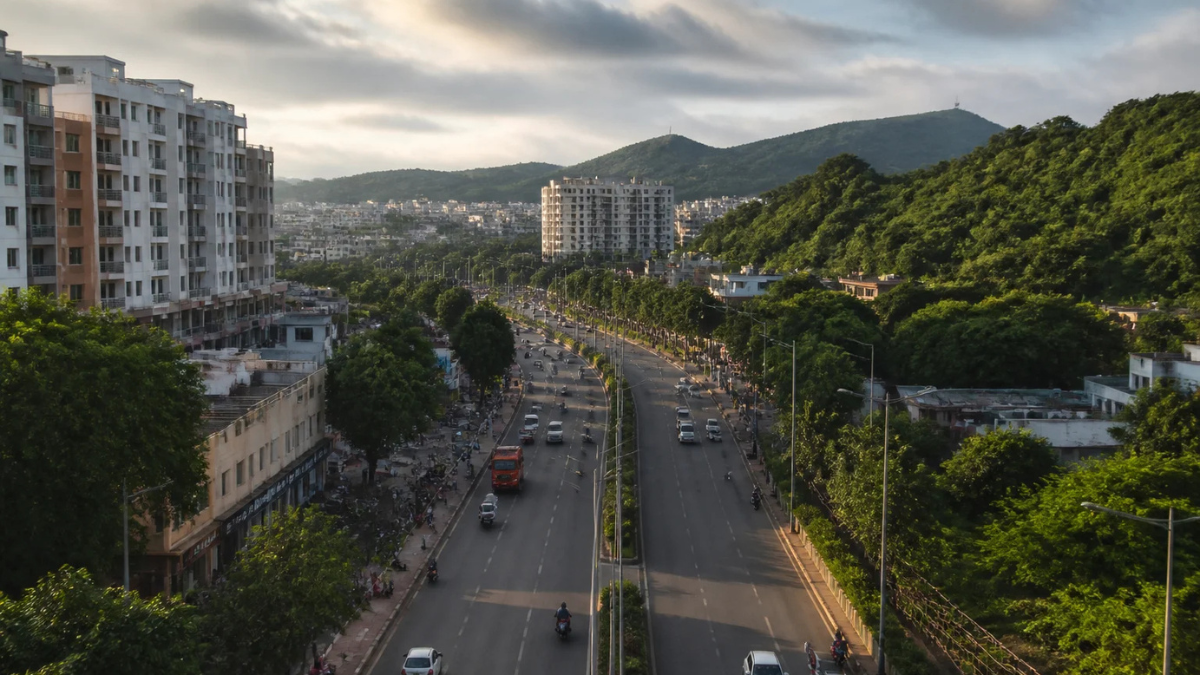
Bhopal, Madhya Pradesh | September 28, 2026: Bhopal’s proposed Master Plan 2047 could reshape the city’s property market, with plans for a 51-km growth corridor, expanded residential development and a larger green footprint. The draft also introduces Green Transferable Development Rights (TDR), a proposed mechanism to compensate landowners whose properties fall within designated green zones.
Madhya Pradesh Chief Minister Mohan Yadav announced the release of the draft Bhopal Development Plan-2047 on September 26. The proposal aims to guide the city’s expansion while protecting its natural heritage, improving connectivity and creating opportunities for economic development. However, the plan is not yet final, and property owners will need to follow the existing regulatory framework until the new plan receives the required approvals.
Bhopal Master Plan 2047 Sets Out a New Development Framework
The draft is the first major revision of Bhopal’s development plan in more than two decades. The previous approved plan, notified in 1995, had a planning horizon ending in 2005.
The new proposal considers a projected population of 45 lakh and expands the planning area to include 254 neighbouring villages. It identifies approximately 61,017 hectares as developable land.
The proposed land-use framework allocates 43.85% of the developable area for residential purposes, while 27% is earmarked for green areas. Transport infrastructure and public spaces are also included in the proposed land-use distribution.
51-Km Growth Corridor Could Shape Future Property Development
One of the major proposals is a 51-km growth corridor intended to connect important economic and urban areas. Approximately 3,000 hectares are proposed for development along the corridor.
The planned corridor would link areas including the proposed Education Knowledge Artificial Intelligence City, the airport, logistics and wholesale zones, and suburban developments. It is intended to accommodate a mix of residential, commercial, educational, healthcare and technology-related activities.
For property owners and developers, the corridor could influence future development opportunities and connectivity. However, the actual impact will depend on the final alignment, land-use provisions and implementation of the proposed infrastructure.
Green TDR Could Provide Compensation to Landowners
The draft introduces Green Transferable Development Rights as a proposed mechanism for landowners whose properties fall within designated green zones.
Under this arrangement, eligible landowners could receive development rights as compensation. These rights could then be transferred to developers, allowing additional development elsewhere, subject to applicable regulations.
The proposal is particularly relevant for owners of land affected by green-zone reservations. However, the eligibility criteria, valuation and operational details will be important in determining how the mechanism works in practice.
Green Cover and Natural Areas Remain Central to the Plan
The proposed development plan places emphasis on protecting Bhojtal, forest areas, hills, water bodies and tiger movement corridors.
The draft proposes increasing the share of green areas to 27%, compared with approximately 16% under the previous plan. It also includes provisions for open spaces, improved civic facilities and better urban mobility.
For property owners, the proposed environmental protections could affect land-use permissions in designated areas. Buyers considering land on the outskirts of Bhopal should therefore check the proposed land-use classification and any applicable restrictions before making investment decisions.
Mixed Land Use and Transit-Oriented Development Proposed
The draft also includes provisions for mixed land use and transit-oriented development. These approaches are intended to coordinate residential and commercial activities with transport connectivity.
The proposed framework could create opportunities for development in designated mixed-use areas while establishing clearer rules for different types of properties.
For developers, the final regulations will determine where commercial and residential activities can coexist and what construction parameters will apply. Property owners should not assume that existing or proposed mixed-use provisions automatically permit a particular commercial activity.
Supreme Court Oversight Keeps Existing Rules in Force
The draft’s release follows the Supreme Court’s September 22 proceedings, which allowed the Madhya Pradesh government to publish the proposed plan subject to further court approval.
The court has clarified that the legality of individual properties and constructions must continue to be assessed under the existing master plan and applicable building bye-laws.
This is particularly relevant amid the Bhopal Municipal Corporation’s action against commercial activities allegedly operating in residential areas. The publication of the new draft does not automatically legalise such activities or change the status of individual properties.
What Bhopal Property Owners Should Watch Next
The draft plan opens a new stage in Bhopal’s long-term urban planning, but its provisions remain subject to the approval process. Citizens and other stakeholders have been invited to submit objections and suggestions for consideration.
Property owners should review the proposed land-use classification of their plots, especially if their land falls within green zones, growth corridors or areas earmarked for infrastructure development.
The final plan, once approved, will determine how the proposed changes translate into enforceable development regulations. Until then, existing planning rules remain relevant for property transactions, construction and commercial use.