
Why September's Home Sales Rise May Not Last, per NAR
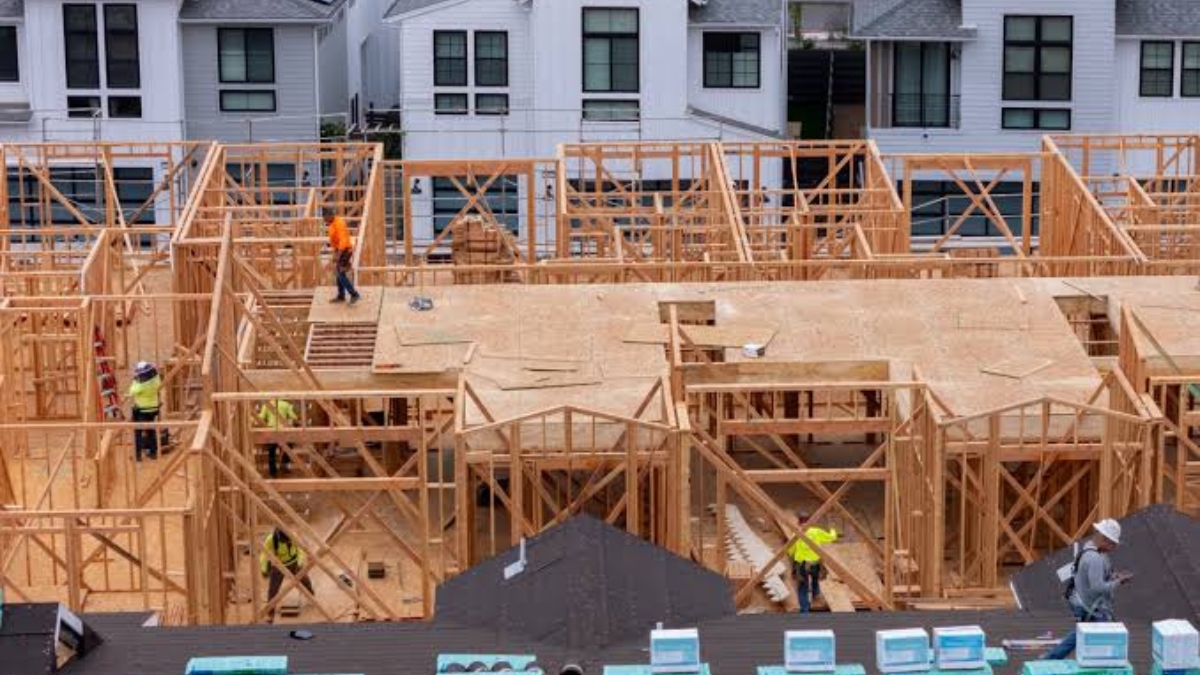
A 1.5% rise in existing-home sales looks encouraging, but the timing explains why many economists are cautious.
Why does the timing matter?
Existing-home sales count closings, which happen weeks after a contract is signed. NAR's Lawrence Yun said September closings reflect contracts signed in August, before the sharpest increases in mortgage rates. Freddie Mac's 30-year rate was 6.66% on August 27 and 7.40% on October 8.
What does the rate jump cost?
On a $300,000 loan, 7.40% versus last year's 6.30% adds roughly $220 a month in principal and interest, or about $2,640 a year (our calculation).
What else is worrying?
-
Revisions: August sales were cut to 3.93 million, so the gain starts from a lower base
-
Year over year: sales are still down 2.2%
-
Affordability: record September median price of $417,500 against rates near 7.4%
What did Yun say about the bottom?
Yun described the market as near the bottom of its recent range, noting that sales last stayed under 4 million for two straight months in August and September 2024. That points to a floor, not a recovery.
What to watch next
NAR's September pending home sales report, which tracks new contracts, is due on October 20. It will show whether the rate spike has hit contract signings.