
Why Builder Floors Are Becoming a Practical Choice for Urban Homebuyers
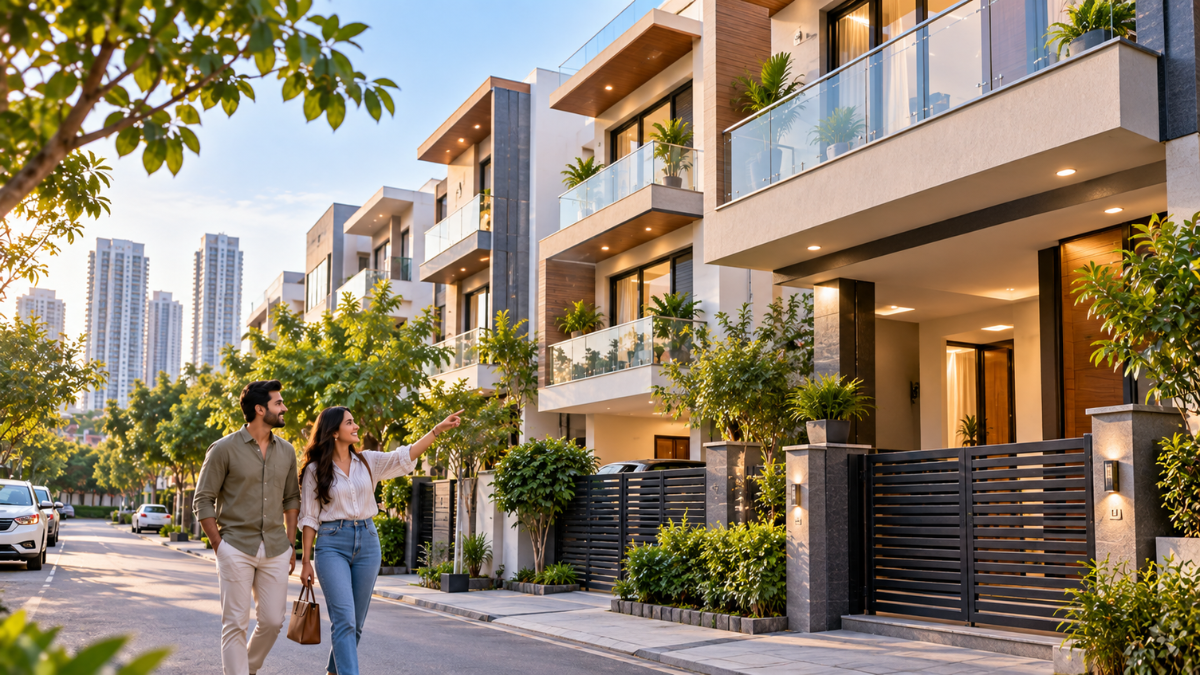
Not every homebuyer wants to live in a high-rise apartment, but buying a completely independent house may not fit every budget or location preference. This is where builder floors can offer an appealing alternative.
Usually found in low-rise residential buildings, builder floors give buyers a more independent living experience while retaining some of the practical advantages of a shared residential property. For buyers comparing different housing options, Grihik can be a useful starting point for exploring residential properties.
What Makes Builder Floors Different?
Builder floors typically consist of separate residential units within a low-rise building. Compared with conventional apartment complexes, they may offer fewer neighbours and a greater sense of privacy.
Depending on the property, buyers may also find features such as dedicated parking, balconies, terraces, spacious rooms and separate entrances.
For people who prefer established residential neighbourhoods over large apartment developments, this combination can make builder floors particularly attractive.
The Location Can Be a Major Advantage
One of the reasons buyers consider builder floors is their presence in established parts of cities.
These properties can provide access to neighbourhoods where buyers may already have schools, markets, parks, workplaces, healthcare facilities and public transport nearby.
However, convenience depends heavily on the specific property and locality. Buyers should assess road connectivity, nearby facilities, public transport and planned infrastructure before making a decision.
Check the Property Beyond Its Interiors
A well-designed builder floor can look attractive during a property visit, but buyers should also examine the details that are less visible.
Before purchasing, check:
- Ownership and title documents
- Sanctioned building plans and applicable approvals
- Construction quality
- Carpet or built-up area, as applicable
- Parking rights and arrangements
- Age and condition of the building
- Electricity and water availability
- Property tax and other applicable dues
- Any restrictions or issues affecting the property
Legal and technical verification can be particularly important because the ownership and usage arrangements of a builder-floor property can differ from those of a typical apartment.
Which Floor Works Best for You?
There is no single best floor for every buyer.
Families with elderly members may prefer easier accessibility, while buyers seeking greater privacy may consider an upper-floor property. A top-floor unit may also appeal to those who value terrace access, views or reduced disturbance.
Your priorities should determine the choice. Think about daily routines, family requirements, accessibility and how you expect to use the property before deciding.
Don't Forget the Total Cost
The purchase price is only one part of the financial calculation.
Buyers should also account for registration-related expenses, possible renovation work, maintenance, furnishing and other costs associated with making the property ready for occupation.
Having a realistic budget from the beginning can prevent unexpected financial pressure after the purchase.
A Middle Ground Worth Considering
Builder floors can appeal to buyers who want something between a conventional apartment and a fully independent house.
They can offer more privacy and a low-rise living environment without necessarily requiring the same type of commitment as an independent property. The suitability, however, depends on the location, building quality, legal status, budget and individual lifestyle requirements.
If you are comparing residential property types before making a purchase, browse Grihik’s property listings to explore available options.
The right home is not simply the one with the best interiors. It is the one that fits your budget, location, lifestyle and long-term plans.