
Supreme Court Gives Big Relief to Homebuyers, Builder Can Still Be Liable Even After Flat Possession
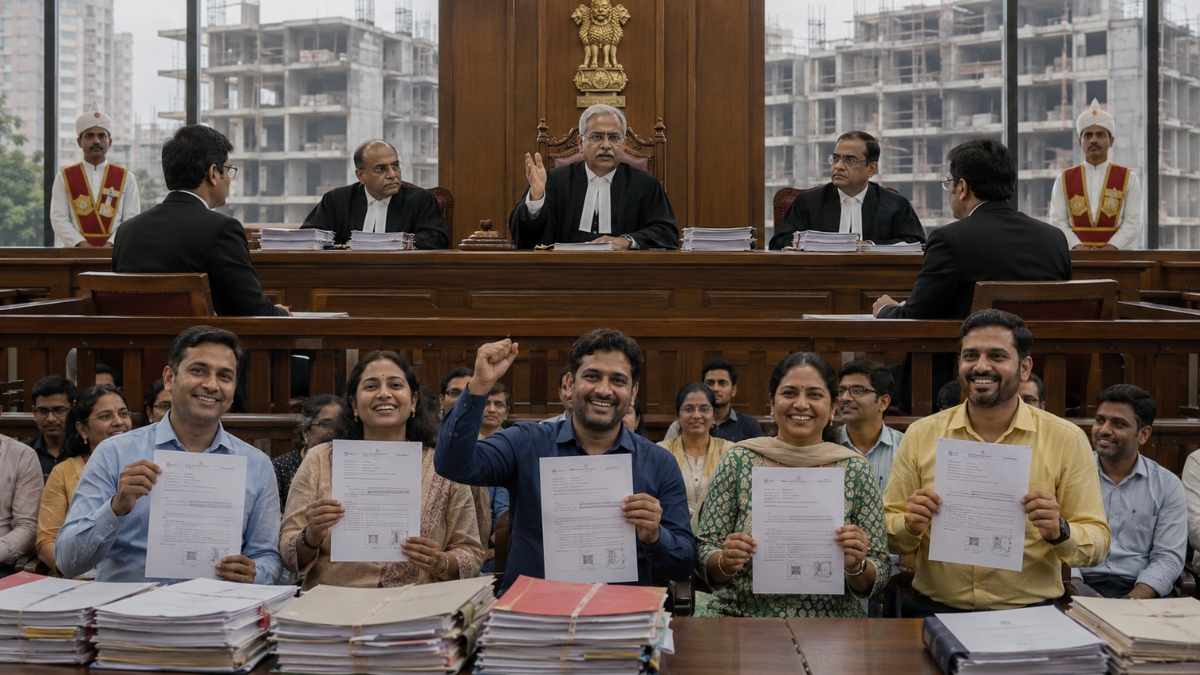
New Delhi | June 27, 2026: For years, many homebuyers believed that once they accepted possession of a flat, they could no longer challenge the builder for delays. The Supreme Court has now clarified that this is not the case.
In a significant judgment, the apex court ruled that taking possession of a flat does not automatically end a buyer's right to seek compensation if the developer delayed handing over the property.
Key Points
- Supreme Court ruled that homebuyers can seek compensation even after taking possession.
- The judgment overturns an earlier view taken by the National Consumer Disputes Redressal Commission (NCDRC).
- Delay in handing over possession can still be examined by consumer forums.
- Arbitration clauses in builder agreements cannot stop buyers from approaching consumer forums.
- The case has been sent back for fresh consideration.
Timeline of the Case
2005: The homebuyer approached the consumer forum, alleging delay in receiving possession.
Later: The buyer eventually received the flat, but continued seeking compensation for the delay.
NCDRC's View: The commission held that once possession was accepted, the buyer was no longer a "consumer" for claiming compensation.
Supreme Court's Decision: The apex court disagreed and restored the buyer's right to pursue compensation.
Why Is This Judgment Important?
The Supreme Court explained that taking possession and claiming compensation are two separate issues.
A buyer may accept possession because they need a home, but that does not erase the hardship caused by years of delay. If the builder failed to deliver the property within the promised timeline, the buyer may still have the right to seek relief.
This interpretation strengthens consumer protection and reinforces accountability in the real estate sector.
What Does This Mean for Homebuyers?
The judgment could benefit buyers who accepted delayed possession but believed they had lost the right to challenge the developer.
However, every dispute depends on its own facts, agreements and evidence. Buyers facing similar situations should preserve documents such as allotment letters, builder-buyer agreements, payment receipts and possession records.
Bigger Impact on the Real Estate Sector
The ruling sends a strong message that delayed possession cannot automatically be overlooked simply because the buyer has moved into the property.
Developers may now face greater scrutiny over project timelines, while buyers gain stronger legal backing to pursue genuine claims.
Grihik Takeaway
The Supreme Court's judgment reinforces an important principle: accepting possession does not necessarily mean giving up your legal rights. If a builder has caused unreasonable delays, homebuyers may still be able to seek compensation through the appropriate legal forum.
Grihik Tip
Before signing any possession or handover document, keep copies of your builder-buyer agreement, payment history and all written communication. These records can become valuable evidence if you ever need to pursue a legal claim related to project delays.