
A Wider Road Can Make Land More Expensive. Here's What Every Property Buyer Should Know
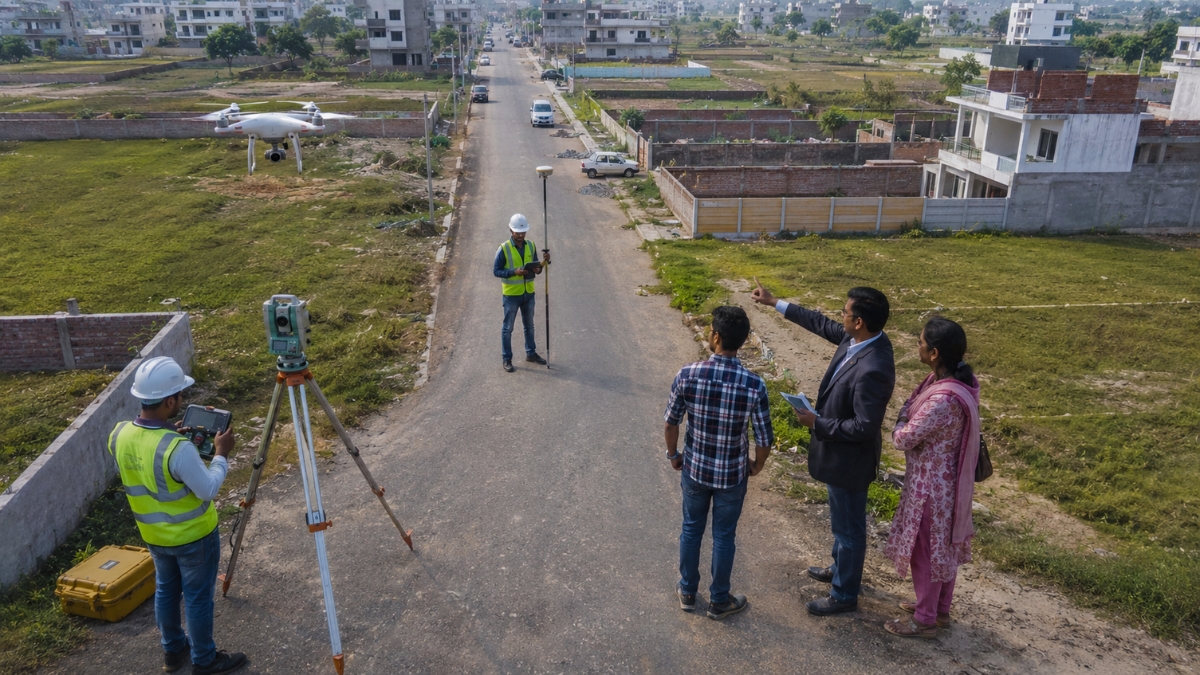
June 26, 2026: Many homebuyers focus only on the size and location of a plot, but one important factor is often overlooked—road connectivity. In many cities and towns, the category and width of the road connected to a property can influence its official valuation, future appreciation and even registration value.
Understanding this factor before purchasing land can help buyers make better long-term investment decisions.
Why Road Connectivity Matters
Properties located on wider or better-connected roads usually attract higher demand because they offer easier access, better visibility and improved infrastructure.
As cities expand, governments often revise land classifications based on road networks, which can increase official land values.
Better Roads Often Mean Better Property Value
Areas connected to main roads, commercial corridors or developing urban infrastructure generally witness faster price appreciation compared to isolated locations.
This is one reason why land values often change after new roads, highways or municipal expansions are announced.
Check Future Development Plans
Before buying land, buyers should also review proposed road widening projects, new municipal boundaries and planned infrastructure developments, as these factors can significantly influence future property values.
Final Thoughts
Road connectivity is more than just convenience—it can directly impact the value of your investment. Evaluating road access along with legal documents and location can help buyers make smarter real estate decisions and avoid surprises in future property valuation or registration costs.