
The Hidden Resource Helping Some Cities Expand Faster Than Others
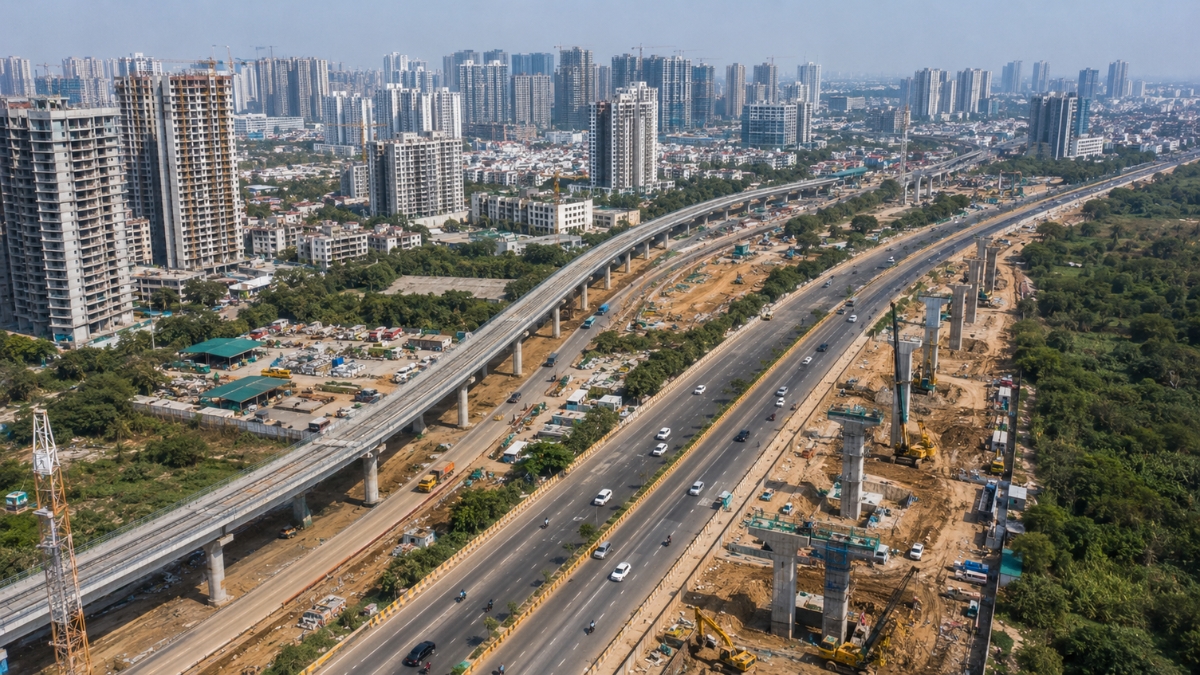
NEW DELHI | June 22, 2026: When people compare fast-growing cities, they usually focus on investment, infrastructure budgets and government policies. However, one less-discussed factor is increasingly influencing how efficiently cities expand: the ability to reuse resources that would otherwise be treated as waste.
As urban development accelerates, cities are searching for ways to build roads, public facilities and housing without constantly increasing the demand for new raw materials.
Growth Is Becoming More Expensive
Every new road, housing project, flyover and public facility requires enormous quantities of construction materials.
As cities expand, the cost of sourcing, transporting and processing these materials continues to rise.
For urban planners, managing growth is no longer just about funding projects—it is also about finding more efficient ways to use available resources.
Why Resource Efficiency Matters
Cities that can reuse materials often reduce costs associated with:
- Transportation
- Landfill management
- Raw material procurement
- Waste disposal
- Infrastructure maintenance
This allows local authorities to allocate resources more efficiently across multiple development projects.
A Growing Shift in Urban Development
Across the world, urban planners are increasingly viewing construction debris as a potential resource rather than simply waste.
Materials recovered from old structures can often be processed and reused in infrastructure-related applications, reducing pressure on natural resources.
This approach supports long-term sustainability while helping cities manage rapid growth.
How This Can Affect Residents
While resource management may appear to be a technical issue, it can influence everyday urban life.
Efficient infrastructure development can contribute to:
- Better road networks
- Improved public facilities
- Cleaner neighbourhoods
- More sustainable urban expansion
- Better utilisation of municipal resources
The benefits often become visible through improved city services and development outcomes.
Why Fast-Growing Cities Are Paying Attention
Urban populations continue to increase, creating demand for housing, transportation and public infrastructure.
Cities that can manage resources effectively may find it easier to support growth without placing excessive pressure on finances or the environment.
As a result, resource efficiency is becoming an important part of modern urban planning strategies.
What This Means for the Future
Future city development is unlikely to depend only on larger budgets.
Experts increasingly believe that the ability to maximise existing resources, reduce waste and improve efficiency will play a major role in determining how successfully cities grow.
The cities that adapt to this approach may be better positioned to meet future infrastructure demands.
Final Thoughts
Urban growth is often measured through new buildings and infrastructure projects, but the systems operating behind the scenes can be just as important. As cities search for smarter ways to expand, efficient resource management is emerging as one of the hidden factors that can influence how quickly and sustainably urban development takes place.