
UK Budget 2026 for Property: No Stamp Duty or CGT Change
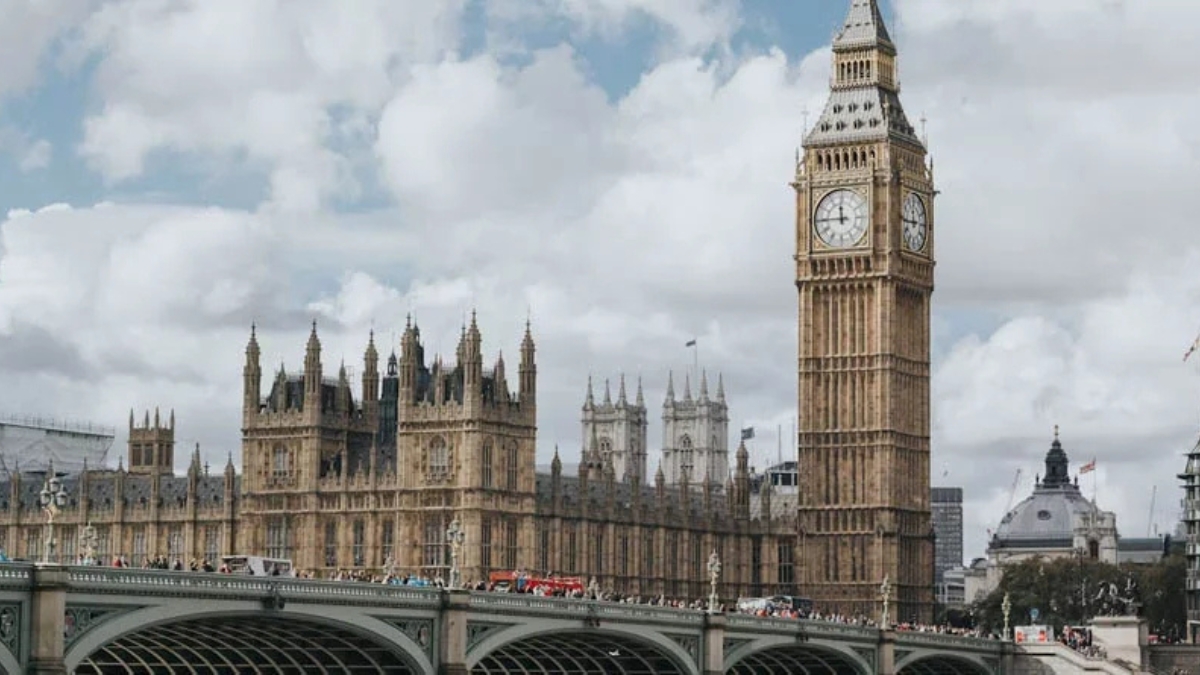
Chancellor John Healey's first Autumn Budget, delivered on October 28, left the biggest property taxes alone and put its weight behind first-time buyers.
What did not change?
-
Stamp duty: no changes. Home movers still pay nothing on the first £125,000, eligible first-time buyers pay nothing up to £300,000 on homes worth up to £500,000, and the 5% surcharge on additional properties stays
-
Capital gains tax: untouched, still 18% and 24% for residential property
-
Mansion tax: the threshold was held at £2 million
-
Other tax rates: no rise in income tax, National Insurance or VAT
What was announced?
-
Your First Home: confirmed to launch in spring 2027. First-time buyers of certain new-build homes in England can use a 2.5% deposit plus a government equity loan of up to 20%, with about £4.7 billion of lending
-
First-time Buyer ISA: replaces the Lifetime ISA
-
Social housing: an extra £1.5 billion for social and affordable homes, VAT-free land sales to social landlords, and fewer biodiversity requirements on brownfield sites
What about landlords?
The two-percentage-point rise in tax rates on rental income goes ahead from April 2027, taking them to 22%, 42% and 47%. Property Week reported that housebuilders called the Budget "disappointing" and said it did nothing on viability.
What do experts say?
Zoopla's Richard Donnell estimates that with local price caps set at what first-time buyers want to pay, over a third of new homes would qualify, helping up to 30,000 buyers a year, or about half the impact of the old Help to Buy scheme. Knight Frank's Oliver Knight warned that the scheme is tightly targeted and may limit housing delivery. Others criticised the lack of stamp duty reform and said the Budget tinkered at the edges.
The economy
The Office for Budget Responsibility sharply downgraded its growth estimate.