
Fed Holds at 3.75-4% in a 10-2 Vote: What It Means for Mortgages
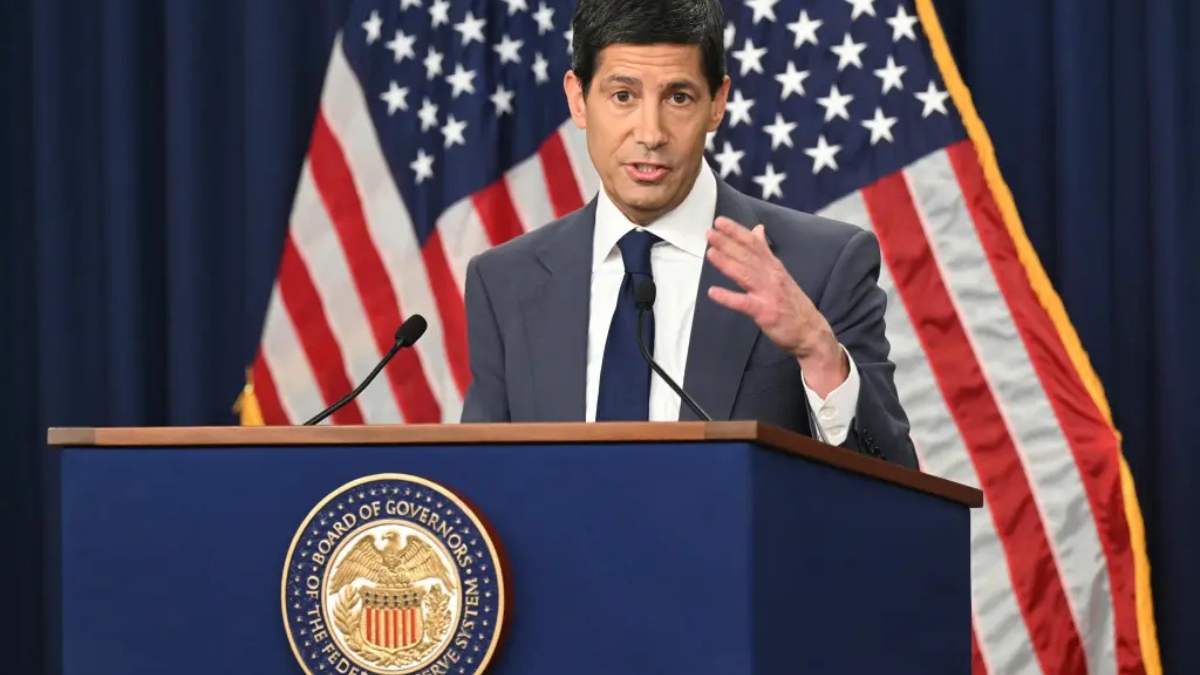
The Federal Reserve kept its benchmark rate at 3.75% to 4.00% on Wednesday, October 28, in a 10-2 vote. Governor Lisa Cook and Cleveland Fed President Beth Hammack dissented, both preferring a quarter-point increase. It was the first meeting since the September hike.
What did the Fed say?
Chairman Kevin Warsh said the committee had "made clear our readiness to act as circumstances require," and that employment has been quite positive, but gave no clear signal on December. He argued that September's hike was working and that 2% remains the only target. Reuters noted the statement contained a hint of the kind of forward guidance Warsh has said he wants to avoid.
How did markets react?
Short-term yields fell while long-term yields rose after the press conference began. According to Reuters, the two-year yield fell about 3.8 basis points to 4.70%, the 10-year rose 5 basis points to 5.042% and the 30-year rose 6 basis points to 5.367%. Before the meeting, futures had priced about a 93% chance of a hold. Afterwards, futures pointed to a strong chance of another hike in December, though that is market pricing, not Fed guidance.
What does it mean for mortgages?
Mortgage rates follow long-term yields more than the Fed's short-term rate, so rising long yields are the key signal. The 30-year mortgage rate was about 7.4% on Wednesday by one measure, and Freddie Mac's weekly average was 7.32% on October 22. Realtor.com's economist said rates will remain volatile and the Fed's hold will do little to unlock the stagnant housing market.
What else changed?
Warsh also announced that the Fed will hold fewer policy meetings from 2027. Yahoo Finance counts one fewer rate decision, leaving seven, which raises the stakes for each.
What to watch next
September PCE inflation and the first estimate of Q3 GDP are due today, and the Fed's next meeting is in December.