
DDA Gives Delhi High-Rise Owners Three Months to Complete Mandatory Structural Safety Audits
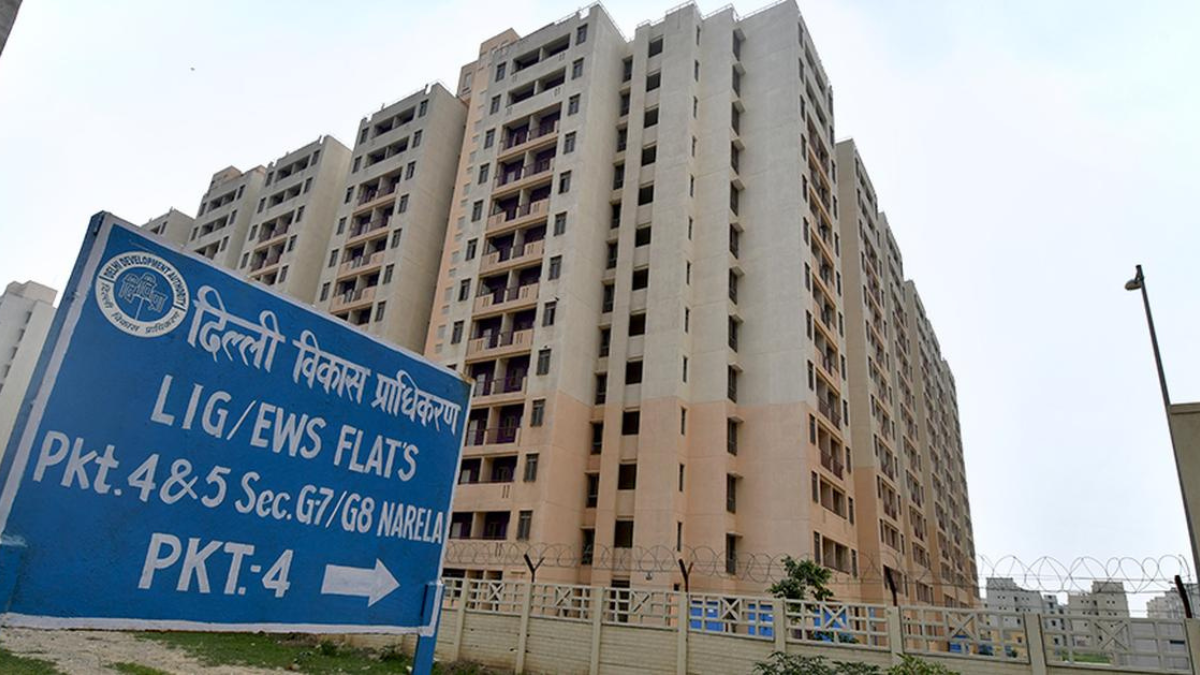
New Delhi | September 26, 2026: Owners and occupiers of certain older buildings in Delhi have been given three months to complete mandatory structural safety audits, following a fresh notice issued by the Delhi Development Authority (DDA). The requirement covers high-rise buildings constructed or approved before March 21, 2001, as well as older buildings that attract large public gatherings.
The directive puts the responsibility and cost of structural assessments on property owners and occupiers. Non-compliance could lead to legal action, property restrictions or sealing under applicable regulations.
Which Buildings Must Undergo Structural Audits
The DDA has directed owners and occupiers to arrange structural safety audits for buildings that meet the following criteria:
- Buildings 15 metres or higher, with construction or sanctioned building plans dating from before March 21, 2001.
- Older buildings below 15 metres that accommodate large public gatherings.
The second category includes educational institutions, hospitals, institutional buildings, assembly buildings, cinema halls, malls and group housing projects.
The authority's latest circular reiterates an earlier order issued in July 2020, after compliance remained limited.
Three-Month Deadline for Property Owners
The DDA's notice, issued on Thursday, requires affected owners and occupiers to complete the structural safety audit within three months.
The deadline makes it important for property stakeholders to determine whether their buildings fall within the specified categories and arrange the required assessment within the stipulated period.
The audit is intended to assess structural safety, including the need for repairs or measures to improve earthquake resilience.
Only Authorised Structural Engineers Can Conduct Audits
The DDA has specified that structural audits must be conducted by structural engineers empanelled with the Municipal Corporation of Delhi (MCD) or government agencies.
The cost of the assessment, including the applicable professional fees, must be borne by the building owner or occupier.
Property owners should therefore verify the credentials and empanelment of the engineer or agency before commissioning the audit.
Retrofitting Permission Does Not Legalise Unauthorised Construction
The DDA has clarified that permission to carry out structural upgrades or repairs, commonly known as retrofitting, does not amount to approval or regularisation of unauthorised construction or illegal activities on the property.
This distinction is important for owners planning structural improvements. Safety-related permission does not remove the need to comply with other applicable building regulations.
Non-Compliance Can Lead to Legal Action and Sealing
The DDA has warned that failure to complete the audit within the prescribed period could trigger action under Delhi government notifications dated April 24, 2019, and February 10, 2020.
Depending on the applicable provisions, consequences may include civil or criminal prosecution for endangering public safety, restrictions on the property and sealing.
The notifications were issued following directions from the Delhi High Court concerning structural audits and measures to make buildings in the capital seismically compliant.
What Delhi Property Owners Should Do Next
Owners and occupiers of potentially affected buildings should first verify the building's sanctioned plan date, construction history, height and use. Those covered by the notice should arrange an audit through an authorised structural engineer and complete the process within the three-month deadline.
If the audit identifies a need for structural repairs or retrofitting, owners should follow the applicable approval process and ensure that any work complies with building regulations.
The DDA's renewed notice makes structural safety compliance a pressing responsibility for owners of older high-rises and buildings with significant public footfall. Timely assessment can help property stakeholders address safety concerns and avoid enforcement action.